
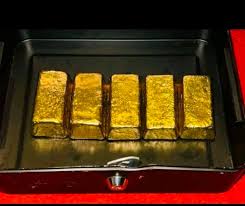
Gold Export Process in Kenya: Building Trust Through the Right Procedures – Why Buyers Must Come to the Ground
1. Establishing Trust Starts with Full Transparency and Verification
- A valid Mineral Dealer’s Licence (or appropriate mining right)
- Proof of legal source and chain of custody
- Recent independent assay certificates from accredited laboratories (e.g., SGS or Intertek)
- KRA Tax Compliance Certificate
Buyers should never rely solely on emailed documents or claims. Cross-check licence details directly with the Ministry via the Mining Cadastre Portal or official channels. Transparent operators welcome this scrutiny because it protects both parties and filters out fraudsters.
2. Following the Correct Legal Export Procedures
- The Kenyan party must hold a valid mineral dealing or mining authorisation.
- An independent assay confirms weight, purity, and value.
- An Export Permit (Form EP-1) is obtained from the Director of Mines for each shipment, detailing quantity, grade, source, value, consignee, and royalty liability.
- Supporting documents are prepared: commercial invoice, packing list, Certificate of Origin, KRA Export Declaration, and proof of royalty/tax compliance.
- Customs clearance and secure, insured transport (usually air freight from JKIA) complete the process under official supervision.
Skipping any step or using informal channels makes the gold illegal to export and exposes all parties to seizure, fines, or prosecution. The right procedure takes time but delivers clean, bankable title.
3. Why Buyers Have to Come to the Ground
- Inspect the gold in person at a secure, verified location
- Witness or arrange independent sampling and assay
- Meet the licensed principals and verify premises and operations
- Confirm storage, security, and logistics arrangements on site
- Finalise contracts and payment structures (preferably through escrow or bank instruments) only after visual and laboratory confirmation
Remote “sight-unseen” deals are the most common route for scams. Ground presence eliminates most risks, builds genuine trust, and allows the buyer to oversee the start of the export documentation chain. Reputable Kenyan operators expect and facilitate this visit.
4. Completing a Secure Transaction Through Partnership and Compliance
- Clear contracts specifying quantity, purity, price, and delivery terms
- Traceable payment methods
- Professional freight forwarders experienced in precious metals
- Full documentation handover before final payment release
Working only with licensed parties who insist on physical verification and full compliance protects value, reputation, and legal standing. In Kenya’s gold trade, trust is earned on the ground through the right procedures—never through shortcuts.
Leave a Reply